
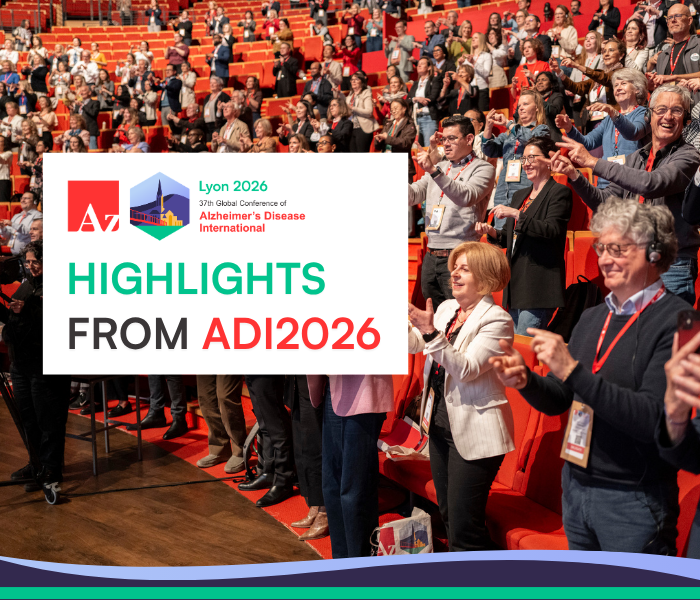
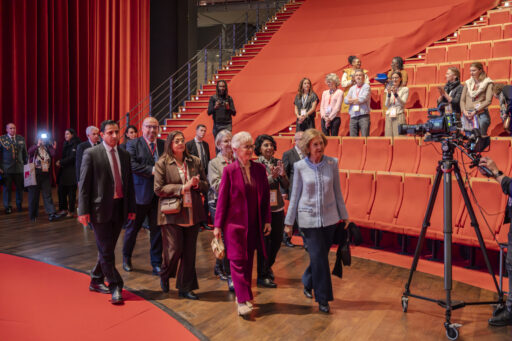
The 37th Global Conference of Alzheimer’s Disease International (ADI 2026) brought together a truly global collective in Lyon, uniting over 1,500 delegates from more than 90 countries. With 1,133 abstracts submitted and 672 posters presented, the conference showcased the breadth of innovation, research and collaboration shaping the future of dementia care worldwide, as well as welcomed two royal ambassadors; Her Majesty Queen Sofía of Spain, and Her Royal Highness Princess Muna Al Hussein alongside representatives of the French Government.

Day one
The conference opened marking the beginning of three days of world-leading insights and exchange. Day one featured two symposiums: Implementation of Multidomain Interventions for Dementia Risk Reduction: Experiences from World-Wide FINGERS and Longitude Prize on Dementia Highlights, Supported by Alzheimer’s Society; two plenary sessions focused on dementia policy and risk reduction, and six parallel sessions covering topics such as AI and assistive technology, models of care, brain health and culturally inclusive approaches.
A diverse programme also included a product showcase, film screenings and book presentations.
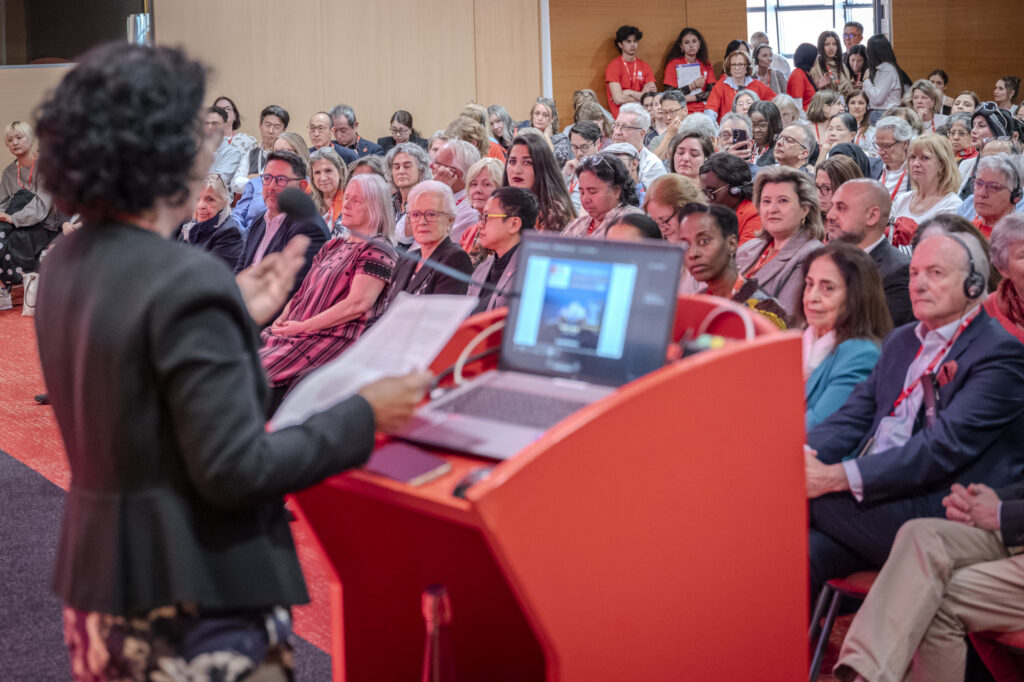
The Opening Ceremony set a resounding tone for the days ahead. It was opened by ADI’s new Chair of the Board, Meera Pattabiraman, who welcomed global delegates and introduced an esteemed panel representing France’s government, civil society and dementia community. In her remarks, she reflected on the collective purpose of attendees:
This gathering represents the coming together of the finest minds in our field — those working in medicine and research, social care, public policy, and advocacy; members of associations from across continents; care professionals; and most importantly, persons living with dementia and their care partners. All of us are united by a shared purpose: to improve the lives of people living with dementia and their families.
The ceremony featured contributions from key voices including Camille Galliard-Minier, Bernard Verger, Joël Jaouen, Benoît Durand, Gérard Herrbach and ADI CEO Paola Barbarino, alongside carers and community representatives.
The day concluded with a Welcome Reception sponsored by the Fondation Médéric Alzheimer, offering delegates the opportunity to network, connect and share insights.

Day two
Day two continued with a full programme of discussion, insight and inspiration. The day opened with two symposiums, followed by a plenary session led by Meera Pattabiraman on “Changing minds: Tackling stigma and building dementia-inclusive societies.”
This important session brought together diverse global perspectives. Speakers included John-Richard Pagan, who explored the importance of shifting social narratives around stigma and isolation; Ingrid Wellington of AFAPADEA in Panama, who highlighted stigma in a Latin American context; Philip Scheltens, who addressed awareness and advocacy; and Christina Scicluna, who shared insights from Canadian Indigenous communities. Together, they underscored the urgent need to challenge stigma as a core part of dementia advocacy.
A major milestone of the day was the launch of the Alzheimer’s Disease Atlas, a first-of-its-kind, interactive global resource offering a comprehensive, data-driven view of dementia and Alzheimer’s disease worldwide. The Atlas enables users to explore country-specific data, compare trends and download reports, bringing together global case numbers in one accessible platform. Developed by ADI in collaboration with Eli Lilly and Company, this initiative highlights the growing urgency for action, particularly as global dementia cases are projected to exceed 55 million by 2030.
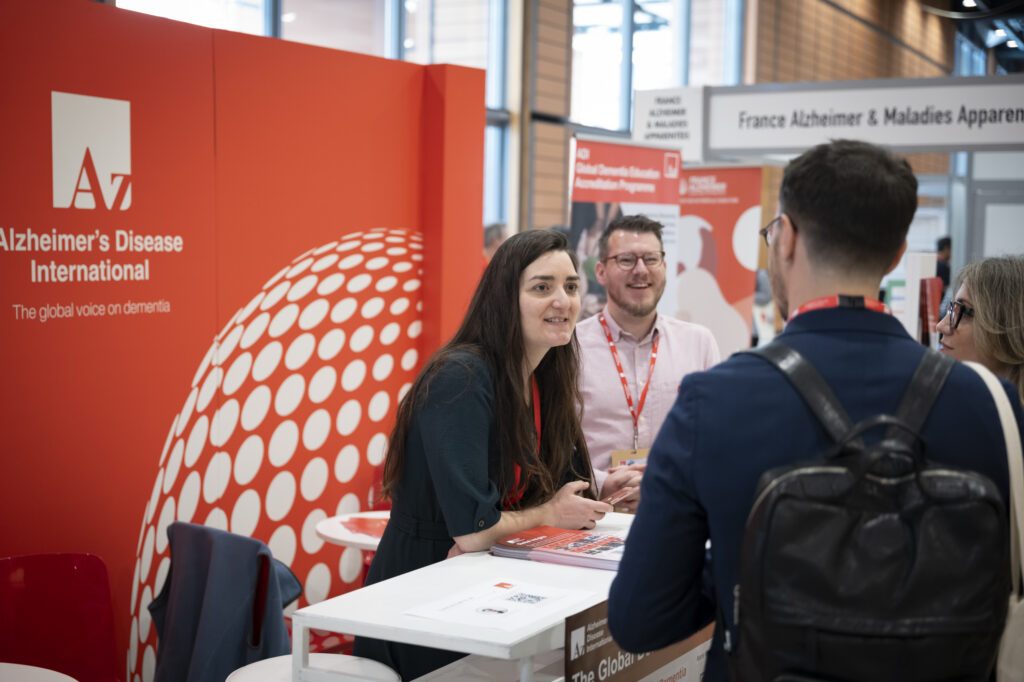
Across the day, delegates attended 24 sessions covering carer support, future care solutions, scientific innovation and the role of AI in advancing care and advocacy.
Day three
The final day of ADI 2026 continued to deliver impactful discussions, combining cutting-edge science with powerful lived experience, including two sponsored symposiums delivered by Impact Salud on ‘Scalable Dementia Solutions in LMICs’ (low and middle income countries) as well as AD-RIDDLE to discuss ‘Early detection of Alzheimer’s disease’. Delegates engaged in 18 parallel sessions and symposiums, covering topics from tackling stigma and raising awareness to advancing and integrating assistive technologies.
A key plenary session on “The dementia care continuum: diagnosis, treatment, and support” featured leading experts including Andrew Budson and Linda Clare, who explored both pharmacological and non-pharmacological approaches to dementia care.
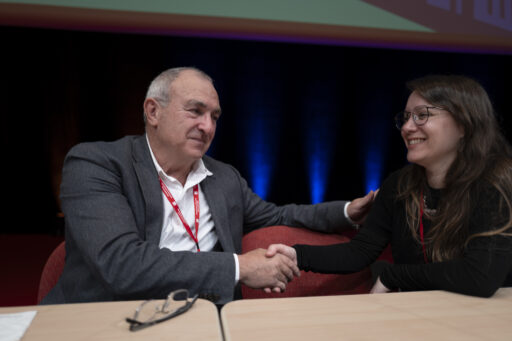
A particularly powerful moment on day three was a special auditorium session centred on lived experience. Dementia advocate and ADI Board Member Bill Yeates joined ADI Research Partnerships Coordinator Patricia Saletti in conversation, offering a deeply personal and insightful perspective on what it means to live well with dementia. The session also gave delegates a valuable opportunity to engage directly, reinforcing the importance of dialogue between researchers, practitioners and those with lived experience.
Moments like these underscored a vital message: solutions for today and tomorrow must always be shaped by the voices of people living with dementia and their carers.
The conference concluded with a final plenary on “Caring for the carers: Strength, support, and sustainability,” followed by the closing ceremony.
ADI 2026 has once again demonstrated the power of global collaboration and knowledge exchange. From groundbreaking resources like the Alzheimer’s Disease Atlas to meaningful conversations on inclusion, stigma and care, the conference has reinforced a shared commitment to improving the lives of people living with dementia and their families worldwide.
ADI extends its sincere thanks to all speakers, delegates, volunteers, exhibitors, sponsors, and co-host France Alzheimer for making this event such a success.