This month, in a significant step forward, the MERCOSUR Parliament (PARLASUR) has adopted a regional declaration recognising Alzheimer’s disease and other dementias as a matter of shared interest, calling for coordinated action on early diagnosis, data systems, caregiver support, workforce training, and the development of a regional advisory mechanism. Alongside this policy progress, regional leadership was further highlighted at the International Alliance on Brain Health meeting in Buenos Aires, where experts and institutions from across the globe explored how to connect neuroscience, public health, and policy, and close the gap between national dementia plans and effective implementation. In Mexico, the 29th International Conference of FEDMA brought together policymakers, clinicians, and advocates to advance discussions on turning national dementia strategies into action.
MERCOSUR Parliament adopts regional declaration on Alzheimer’s disease and other dementias
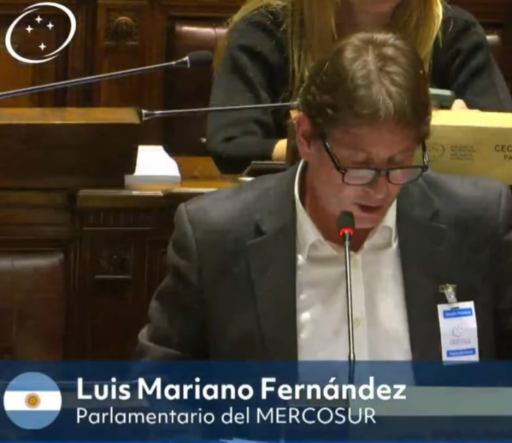
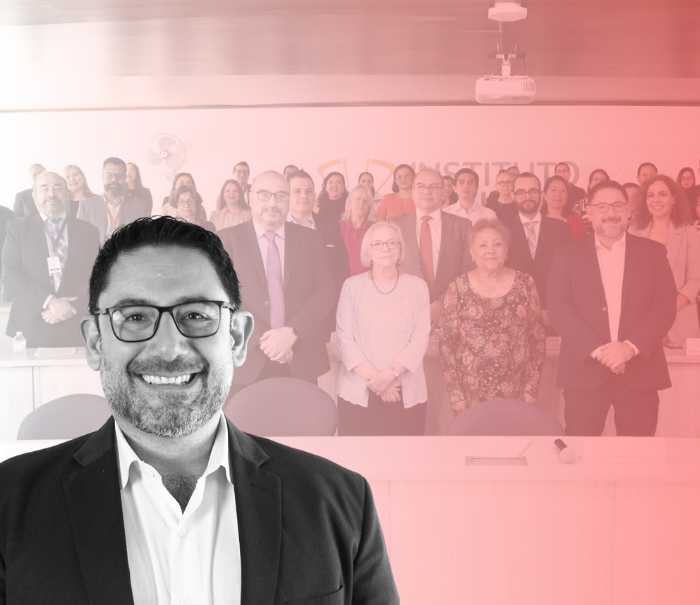
The MERCOSUR Parliament (PARLASUR) has approved a declaration recognising the response to Alzheimer’s disease and other dementias as a matter of regional interest. The initiative, promoted by MERCOSUR Parliamentarian Mariano Fernández from Tucumán, Argentina, calls for stronger regional cooperation, improved data systems, early diagnosis, risk reduction, caregiver support, professional training, and the creation of a regional advisory mechanism on dementia.
Adopted during the PARLASUR plenary session on 27 April, the declaration reflects growing recognition that dementia is not only a health issue, but also a social, economic and human rights challenge. It also signals the need to move toward more structured and sustained policy responses, including the potential development of a regional programme and advisory mechanisms on dementia.
The declaration highlights the importance of cooperation with PAHO/WHO and ADI, and explicitly encourages coordination with ADI’s regional office for the Americas, as well as with Alzheimer and dementia associations across MERCOSUR Member States.
Diego Aguilar, Regional Director for the Americas at Alzheimer’s Disease International, welcomed the decision:
This declaration is an important step for the region. Dementia is not only a health issue; it is a social, economic and human rights challenge. MERCOSUR now has an opportunity to move from isolated efforts to a more coordinated regional response that supports people living with dementia, families and caregivers.
The initiative draws in part on the experience of Tucumán’s provincial Alzheimer’s and dementia programme, while seeking to adapt this approach to the broader regional context. It frames dementia as a growing public health challenge for MERCOSUR and calls for sustained action across prevention, diagnosis, treatment, care, research and rights protection.
ADI Regional Director for the Americas participates in Meeting of the International Alliance on Brain Health
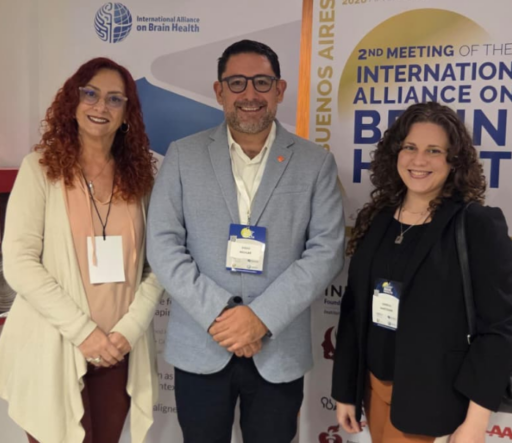
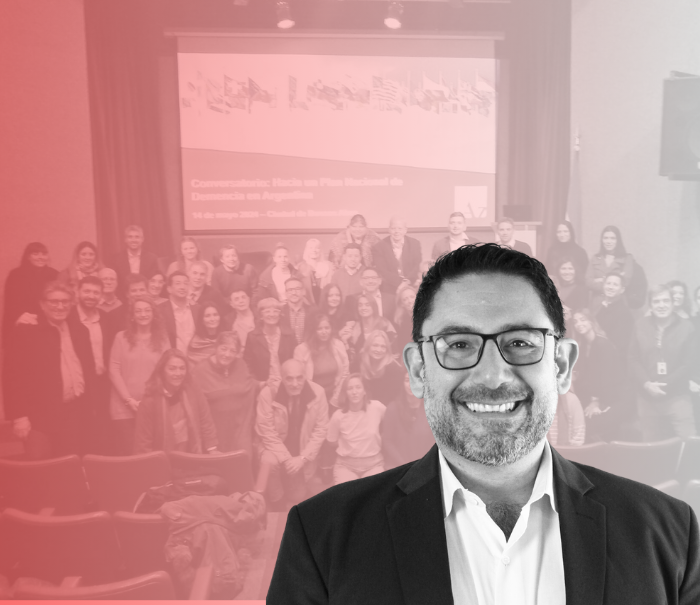
Held on 24–25 April 2026 in Buenos Aires, the 2nd Meeting of the International Alliance on Brain Health was hosted by Fundación INECO and co-coordinated by Facundo Manes and Claudio Bassetti, representing the Swiss Brain Health Foundation, in collaboration with The Lancet Commission on Brain Health.
The convening brought together leading global institutions and experts working at the intersection of neuroscience, public health, and policy, including Joanne Pike from the U.S. Alzheimer’s Association, Victor Valcour from GBHI, and Lenny Shallcross from the World Dementia Council. Gladys Bangueses, president of ALMA, ADI’s member in Argentina, was also there with her team.
Discussions focused on positioning brain health as a global priority, linking dementia, mental health, and broader noncommunicable disease agendas, with particular emphasis on prevention across the life course.
Diego contributed a regional perspective from Latin America and the Caribbean, highlighting the persistent “implementation gap” identified through ADI’s From Plan to Impact work: while more countries are adopting national dementia plans, significant challenges remain in financing, governance, and delivery.
The meeting reinforced the urgency of moving from knowledge to action, and the importance of multi-stakeholder collaboration.
ADI Regional Director for the Americas opens the 29th International Conference of FEDMA in Guadalajara, Mexico
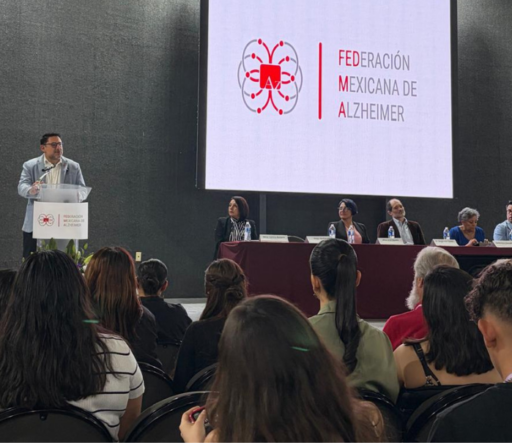
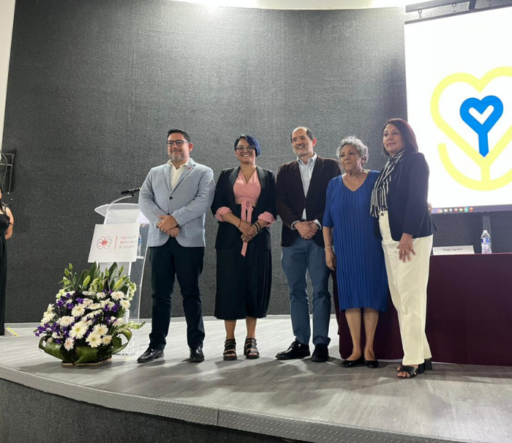
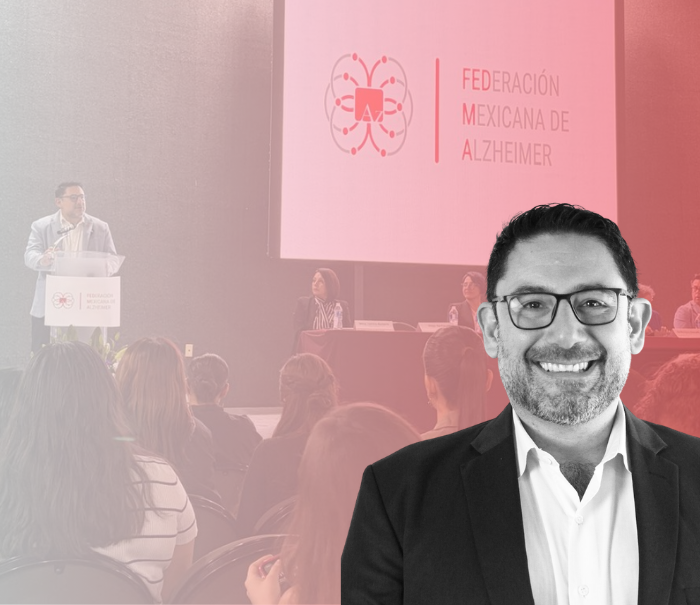
Federación Mexicana de Alzheimer (FEDMA), an ADI member since 1988, bringing together 22 Alzheimer associations across Mexico, launched its 29th International Conference in Guadalajara, Jalisco, under the theme “Dementias 360°: Innovation, Care and Community.”
The conference was formally inaugurated by ADI Regional Director for the Americas Diego Aguilar, alongside Dora Quezada, outgoing President of FEDMA and President of Alzheimer Iberoamérica; Iraís Bonilla, incoming President of FEDMA; and Iván Valdés-Ferrer, Director General of Health Research Policy at Mexico’s Ministry of Health. The opening session brought together more than 200 participants from across the country.
In his remarks, Diego recognised the outstanding leadership and dedication of Dora Quezada during her 4 year tenure, and warmly welcomed Iraís Bonilla as she assumes the presidency of FEDMA at a key moment for dementia in Mexico.
He highlighted Mexico’s strong potential to become a leading example in Latin America and globally, noting the country’s robust ecosystem of civil society organisations, researchers, and decision-makers, as well as its pioneering national dementia plan. At the same time, he emphasized that one critical step remains: implementation.
Diego said:
Mexico has all the conditions to lead. What is needed now is that final step—turning plans into reality. We hope this conference will help catalyze catalyse that transition and leave a lasting legacy.
During the conference, Diego also participated in an important panel moderated by ADI board member Rosa Farres, together with colleagues from FEDMA, the National Institute of Geriatrics (Mexico), and the Pan American Health Organization to further advance these discussions and explore concrete pathways to implementation.
The conference provided a platform to advance dialogue, share innovation, and strengthen collaboration across sectors – reinforcing the collective effort needed to close the implementation gap and improve the lives of people living with dementia and their families across Mexico and the region.